

Industry surveillance solution
iFovea gives property managers centralized cloud surveillance across all properties – buildings, parking structures, common areas, and perimeter – with tenant-partitioned access, AI analytics, and remote oversight without on-site NVR infrastructure to maintain.
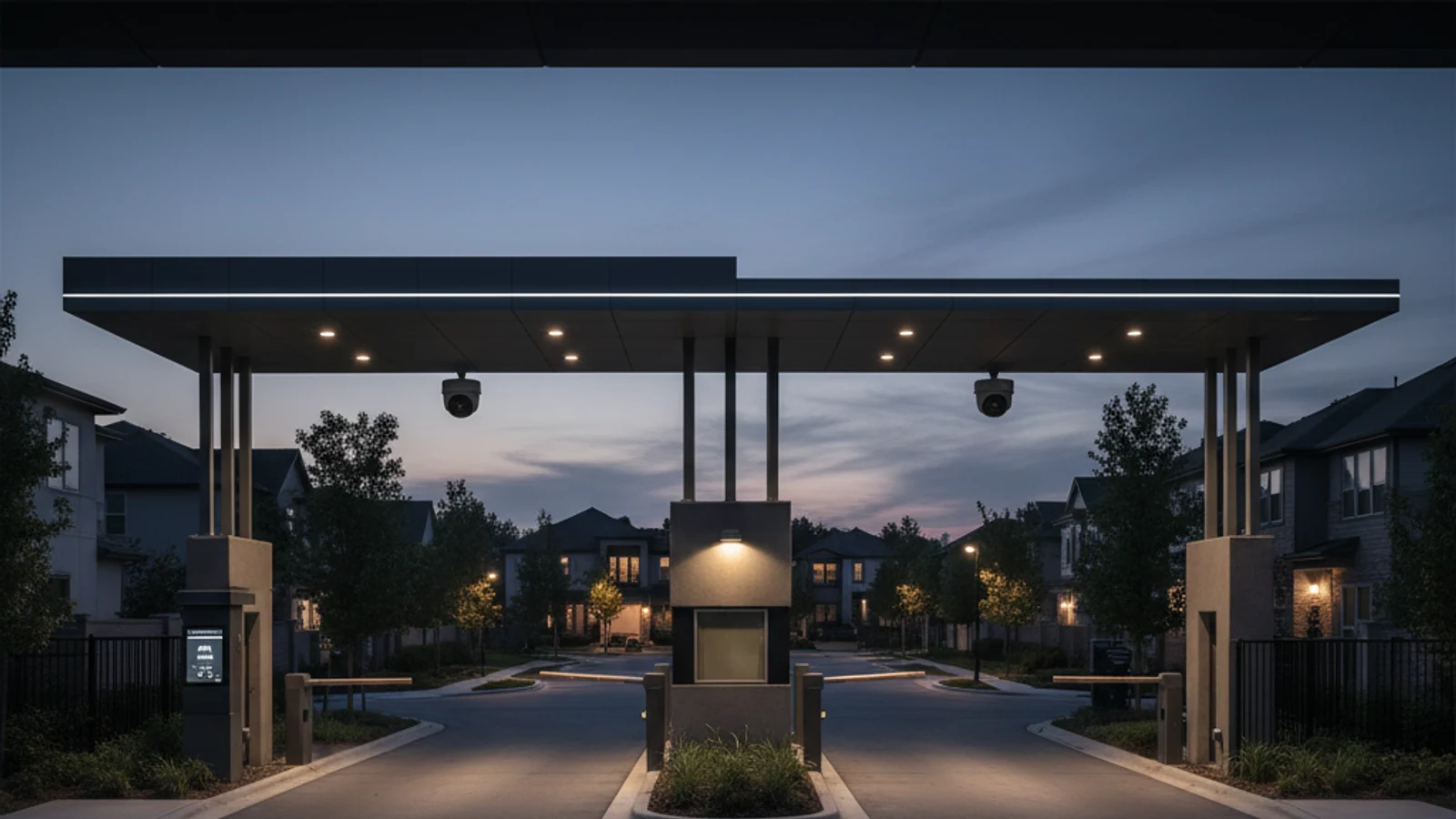
iFovea gives property managers centralized cloud surveillance across all properties – buildings, parking structures, common areas, and perimeter – with tenant-partitioned access, AI analytics, and remote oversight without on-site NVR infrastructure to maintain.
Multi-site visibility
Give operations and security teams one place to monitor locations, users, and incidents.
AI-assisted review
Find events faster with video search, analytics, and alert workflows tied to real business needs.
Flexible deployment
Support existing cameras, cloud access, and hybrid recording for practical rollouts.
Property Management Features
- Multi-property single dashboard – manage all buildings from one cloud interface
- Tenant partitioned access – tenants see only their own floor or unit cameras; building management sees everything
- Visitor and delivery monitoring – ALPR for parking lots, face recognition for controlled access areas
- Loitering detection for lobbies, stairwells, and parking structures – automatic alerts without manual monitoring
- Incident documentation – automatic clip creation for liability protection and insurance claims
- Remote guarding integration – connect to alarm station monitoring for after-hours live video response
- No NVR maintenance – cloud-based storage eliminates on-site server hardware at each property
Use Cases
- Multi-unit residential buildings – lobby, parking, amenity area, and perimeter monitoring
- Commercial office buildings – tenant floor access, common area security, parking management
- Retail strip malls – individual tenant camera partitioning with shared property management oversight
- Self-storage facilities – remote gate and unit access monitoring with ALPR and loitering detection
Turn this into a practical surveillance plan
iFovea can review your camera fleet, sites, bandwidth, AI analytics needs, and migration path.
Request a Free Demo – See iFovea for Your Industry
Works with your existing cameras. No hardware replacement. No long-term contracts.
Frequently asked questions
Which teams use iFovea for this environment?
Security, operations, IT, facilities, and executive teams use iFovea to centralize camera access, incident review, and AI-assisted monitoring across locations.
Can iFovea support multiple sites?
Yes. iFovea is built for multi-site cloud surveillance with centralized user management, live viewing, playback, and search workflows.
Does the system require replacing every camera?
Not always. Supported IP cameras can often be connected through compatible cloud or hybrid deployment paths, reducing unnecessary hardware replacement.
How do we start?
Start with a camera and network assessment so iFovea can confirm compatibility, bandwidth needs, retention goals, and rollout priorities.
Related resources
Continue comparing options, planning migration, and estimating the right cloud surveillance architecture.
Ready to plan the next step?
iFovea can review your camera fleet, sites, bandwidth, AI analytics needs, and migration path.