

Direct Answer
What is the best Avigilon Alta alternative?
iFovea is an Avigilon Alta alternative for businesses seeking AI cloud VMS without Motorola Solutions proprietary hardware. Avigilon Alta requires Avigilon cameras. iFovea connects to any ONVIF camera — including existing Avigilon cameras that support ONVIF.
- ✓Works with existing Avigilon cameras if ONVIF is enabled
- ✓All AI analytics included — no Avigilon Appearance Search license fees
- ✓Simpler multi-site management — one subscription, one dashboard
Cloud VMS comparison
Avigilon Alta – Motorola Solutions’ cloud-managed surveillance platform – offers enterprise-grade features and deep integration with Motorola’s broader security ecosystem. For organizations already embedded in that ecosystem, the platform works well. But for those evaluating cloud VMS options independently, or those frustrated with closed hardware requirements and complex licensing, Avigilon Alta alternatives are worth a serious look.
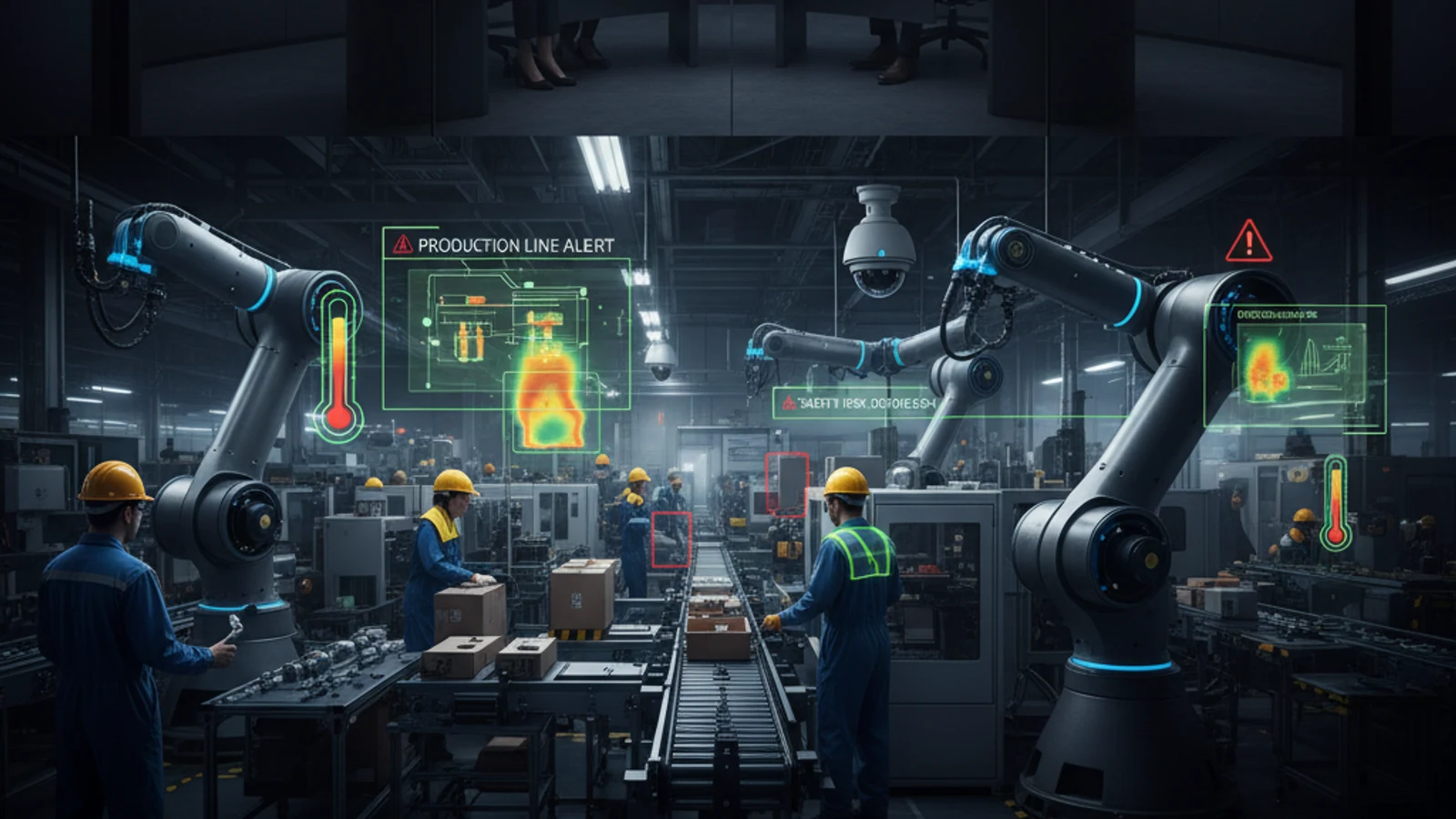
Avigilon Alta – Motorola Solutions’ cloud-managed surveillance platform – offers enterprise-grade features and deep integration with Motorola’s broader security ecosystem. For organizations already embedded in that ecosystem, the platform works well. But for those evaluating cloud VMS options independently, or those frustrated with closed hardware requirements and complex licensing, Avigilon Alta alternatives are worth a serious look.
No hardware lock-in
Keep compatible ONVIF and supported IP cameras instead of replacing working hardware.
Hybrid cloud resilience
Use cloud access with local recording continuity where uptime and bandwidth matter.
Lower migration risk
Phase the rollout by site, validate camera compatibility, and avoid all-at-once replacement.
Why Security Teams Are Exploring Avigilon Alta Alternatives
Ifovea provides the AI-powered cloud surveillance capabilities that enterprise teams expect from Alta, without the proprietary hardware mandate and without requiring integration with Motorola’s broader product stack.
Common Reasons Organizations Evaluate Alternatives to Avigilon Alta
Hardware Ecosystem Lock-In
Avigilon Alta is optimized for Avigilon hardware – Avigilon cameras, access control readers, and Motorola radio infrastructure. Organizations that already have Axis, Hanwha, Hikvision, Dahua, or other ONVIF-compliant cameras deployed face an uncomfortable choice: replace their existing infrastructure or run a parallel system.
Ifovea is hardware-agnostic. If your cameras are ONVIF-compliant, they connect to Ifovea. No replacement required. No parallel systems. One platform, your existing hardware.
Enterprise Pricing Complexity
Avigilon Alta’s pricing reflects its enterprise positioning – which means complex licensing tiers, additional modules for advanced analytics, and pricing that scales steeply with camera count and feature depth. For mid-market organizations or growing multi-site operations, the cost trajectory becomes a budget planning challenge.
Integration Dependencies
Alta’s deepest capabilities – particularly around video and access control convergence – work best when you’re using Motorola’s full ecosystem. Organizations that want best-of-breed cloud VMS without committing to a full Motorola security stack find the platform’s integrations more limited than expected.
Turn this into a practical surveillance plan
iFovea can review your camera fleet, sites, bandwidth, AI analytics needs, and migration path.
Ifovea vs. Avigilon Alta: Feature Comparison
| Feature | Avigilon Alta | Ifovea |
|---|---|---|
| Third-Party Camera Compatibility | Limited – optimized for Avigilon hardware | Yes – any ONVIF-compliant camera |
| Hybrid Cloud + Local Recording | Yes | Yes – full local survivability |
| AI Video Search & Forensics | Yes – Avigilon Appearance Search | Yes – natural language + object/color search |
| License Plate Recognition | Yes – add-on module | Yes – included in platform |
| Multi-Site Management | Yes | Yes – unlimited site hierarchy |
| Fire & Smoke AI Detection | Limited | Yes – integrated |
| PPE Safety Compliance | Limited | Yes – manufacturing-ready |
| White-Label / Reseller Program | No | Yes – full white-label platform |
| Hardware Vendor Freedom | No – Avigilon-optimized | Yes – fully open |
| Ecosystem Dependencies | Motorola stack preferred | Standalone – no ecosystem lock |
Migration Path from Avigilon Alta to Ifovea
The migration question most organizations ask: “What happens to our current cameras and historical footage?”
Cameras: Avigilon cameras are proprietary and won’t port directly to another platform. However, any ONVIF-compliant cameras from other manufacturers in your environment – Axis, Hanwha, Hikvision, Dahua, and others – connect to Ifovea natively. Many Alta deployments include mixed camera fleets, and a phased migration can prioritize non-Avigilon hardware first.
Historical footage: Ifovea’s onboarding team assists with footage archival and transition planning. Most organizations export critical historical footage before decommissioning legacy systems, then establish new retention policies on the Ifovea platform from go-live.
Timeline: Site-by-site migrations typically complete in one to two days for single locations. Multi-site enterprise deployments are phased over weeks to avoid operational disruption.
Ifovea’s AI Operational Intelligence Layer
Avigilon is known for its Appearance Search – the ability to find a person by appearance across your camera network. Ifovea offers comparable forensic search capabilities alongside a broader operational analytics layer:
- Cross-Camera Forensic Search – Find footage by object, color, behavior, or natural language description across all sites simultaneously
- ALPR / License Plate Recognition – Real-time plate alerts and historical plate search
- People Counting & Occupancy Analytics – Track foot traffic patterns across locations
- Heat Maps & Space Utilization – Understand how facilities are used operationally
- Loitering & Perimeter Detection – Proactive alerts for suspicious activity
- Fire & Smoke Detection – AI-driven early warning through existing cameras
- PPE & Safety Compliance Monitoring – Detect safety violations on industrial sites
- Gun Detection – Early threat detection for high-security environments
Frequently Asked Questions
Is Ifovea a direct replacement for Avigilon Alta?
For the video management and AI analytics functions of Alta, yes – Ifovea covers the core use cases. For organizations requiring deep access control integration with Motorola hardware, a phased approach may be appropriate, addressing video management first.
Does Ifovea require proprietary hardware?
No. Ifovea works with any ONVIF-compliant IP camera. The platform also supports an optional local gateway appliance for edge recording in hybrid deployments, but there is no proprietary camera requirement.
How does Ifovea handle large enterprise deployments?
Ifovea is purpose-built for enterprise multi-site management. The platform supports unlimited sites, role-based access control by site and camera, centralized policy management, and cross-site AI search – all from a single dashboard.
What compliance standards does Ifovea meet?
Ifovea’s cloud infrastructure meets enterprise security and compliance requirements. All video data is encrypted in transit and at rest. Access controls are granular and auditable. Contact our team for specific compliance documentation relevant to your industry.
Can Ifovea support 500+ cameras across 50+ sites?
Yes. Ifovea is designed for enterprise-scale deployments. Our platform manages large camera fleets across distributed sites with centralized control, automated health monitoring, and cross-site analytics without performance degradation.
Request a Migration Assessment
If you’re evaluating Avigilon Alta alternatives for budget, hardware flexibility, or ecosystem independence reasons – start with a direct comparison against your current deployment.
Avigilon migration planning resources
Avigilon migration planning should evaluate camera reuse, analytics requirements, replacement cost, and hybrid transition risk before rollout.
Enterprise Pricing Comparison: Ifovea vs Proprietary Cloud Surveillance
The full cost of ownership includes hardware, migration, and ongoing licensing – not just the subscription price.
| Cost Factor | Proprietary Platforms | Ifovea (Open Architecture) |
|---|---|---|
| Camera hardware | $500-$2,000+ per proprietary camera | Reuse existing ONVIF cameras |
| Subscription | Per-camera (varies by platform) | From $14.99/camera/month |
| AI analytics | Extra licensing or limited | All 10 types included |
| Migration cost | Full hardware replacement | Camera reuse in most deployments |
| Vendor lock-in | High – proprietary ecosystem | None – open ONVIF architecture |
What Enterprise Operators Say After Migrating
“After evaluating several platforms, we chose Ifovea because we could keep our existing camera infrastructure. Platform savings from avoided hardware replacement justified the migration in the first two quarters.”
“The AI forensic video search and ALPR in Ifovea Professional AI are more comprehensive than what we had previously. The open camera architecture gives us full infrastructure flexibility with no vendor lock-in.”
Frequently asked questions
Can iFovea reuse cameras from my current system?
In many deployments, yes. iFovea is designed around compatible IP cameras and ONVIF workflows, so teams can often keep supported cameras instead of replacing every device.
How is iFovea different from proprietary cloud camera platforms?
iFovea focuses on cloud VMS flexibility, hybrid recording options, AI search, and camera compatibility rather than forcing a single proprietary hardware stack.
Is migration disruptive?
A planned migration can be phased by location. The safest path is to inventory cameras, pilot a lower-risk site, validate recording and alerts, then roll out by priority.
What is the best next step?
Request a migration or compatibility assessment so iFovea can review camera models, bandwidth, retention requirements, and deployment goals.
Related Comparisons
Related resources
Continue comparing options, planning migration, and estimating the right cloud surveillance architecture.
Ready to plan the next step?
iFovea can review your camera fleet, sites, bandwidth, AI analytics needs, and migration path.