

Verkada Lock-In Concerns for Enterprise Camera Infrastructure
Problem-aware buyers researching the risks of closed camera ecosystems. Ifovea is the operational intelligence layer for physical environments: cloud video infrastructure, AI analytics, camera reuse, and multi-site visibility designed around business workflows.
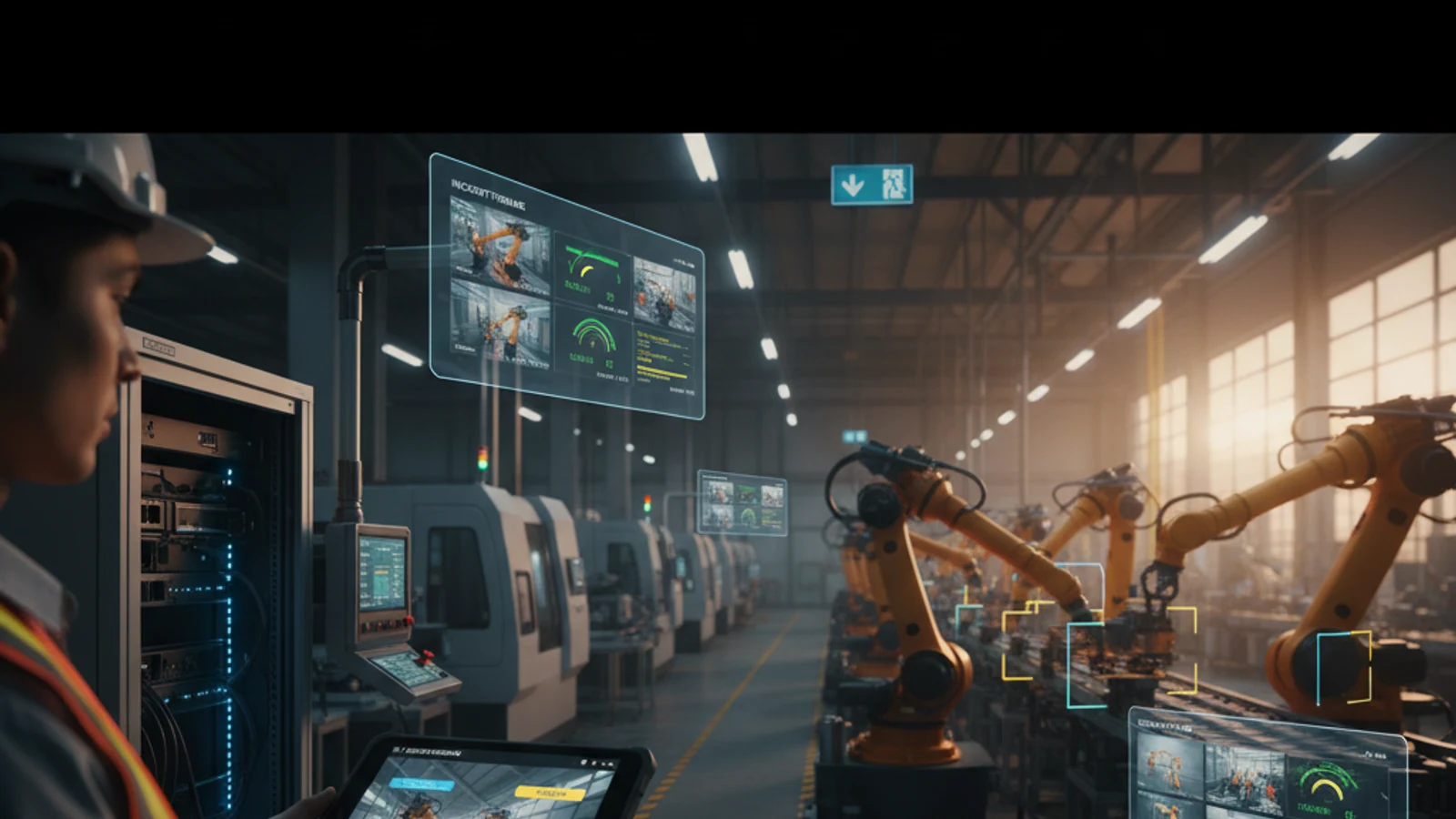
A fair enterprise guide to Verkada lock-in concerns, camera replacement costs, migration planning, and open cloud VMS alternatives for existing camera networks.
What lock-in means in video infrastructure
Lock-in is not only a contract issue. In video infrastructure, lock-in can mean camera replacement requirements, limited migration flexibility, constrained integrations, vendor-specific licensing, and operational workflows that are difficult to move elsewhere.
Where Verkada can be a good fit
Verkada can be a good fit for teams that want a tightly integrated hardware and software experience and are comfortable standardizing around one camera ecosystem for new deployments.
Where enterprises should slow down
Enterprises with existing Axis, Hikvision, Hanwha, Uniview, Avigilon, or other IP camera investments should model replacement costs, renewal timing, data export requirements, and multi-site migration complexity before committing to a closed hardware path.
Ifovea decision lens
Ifovea is better aligned with teams that want cloud access, AI search, hybrid resilience, and operational intelligence while preserving as much usable camera infrastructure as possible.
Operational workflow
Document cameras, sites, user roles, recording rules, retention requirements, and operational workflows before changing platforms.
Test compatibility, ONVIF behavior, stream quality, bandwidth, and local recording requirements with a representative pilot.
Move beyond recording by adding AI search, multi-site visibility, exception reporting, and workflow intelligence.
Decision framework
| Decision factor | Risk to evaluate | Ifovea planning lens |
|---|---|---|
| Camera infrastructure | Forced replacement, unsupported models, hidden installation cost | Reuse compatible cameras where operationally sound |
| Cloud architecture | Bandwidth saturation, outage exposure, inconsistent retention | Use cloud, edge, or hybrid design by site condition |
| Operational intelligence | Recording without visibility into bottlenecks, incidents, and trends | Design AI analytics around measurable workflows |
Compare Your Current System
Use this page as a planning guide, then turn it into a site-specific migration, reuse, or operational intelligence assessment.
Frequently asked questions
Is Verkada always the wrong choice?
No. Verkada may be a strong fit for certain greenfield deployments. The concern is whether its closed hardware model matches the buyer’s existing infrastructure and long-term flexibility needs.
What should enterprises calculate before switching?
They should calculate camera replacement cost, licensing, renewal timing, installation labor, data retention, migration risk, and the operational value of AI analytics.
How does iFovea reduce lock-in risk?
iFovea reduces lock-in risk by focusing on compatible camera reuse, open deployment planning, hybrid cloud architecture, and AI workflows above the camera layer.