

Expert guide
You have Hikvision cameras. You want cloud storage and remote access – but you don’t want to buy new cameras or install an NVR. Good news: you don’t have to. iFovea connects directly to your existing Hikvision IP cameras and gives you cloud storage, remote access, and AI analytics in minutes.
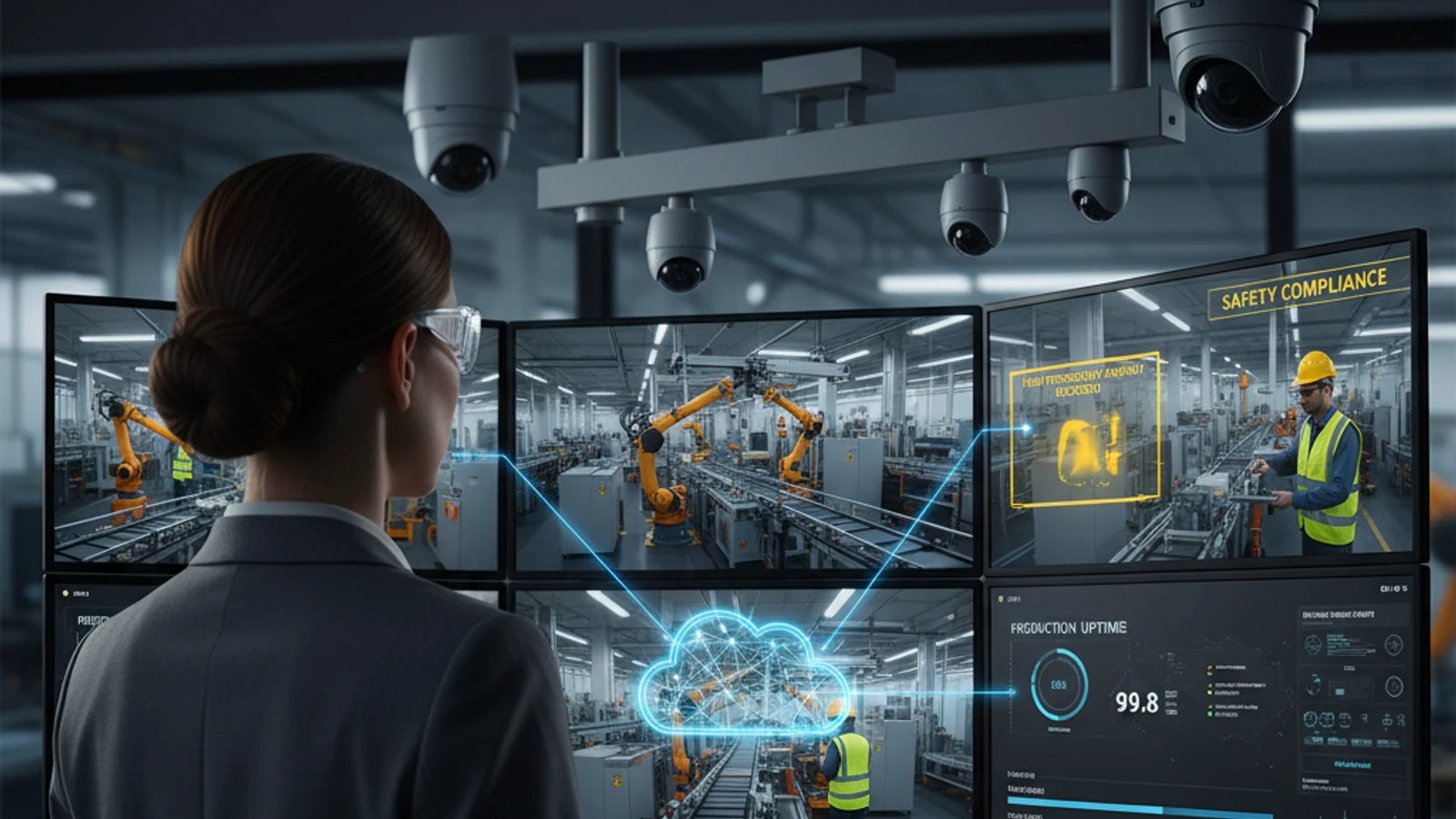
You have Hikvision cameras. You want cloud storage and remote access – but you don’t want to buy new cameras or install an NVR. Good news: you don’t have to. iFovea connects directly to your existing Hikvision IP cameras and gives you cloud storage, remote access, and AI analytics in minutes.
Cloud-first access
Centralize live view, playback, user permissions, and investigation workflows.
AI analytics built in
Use smarter search and event detection to reduce manual review time.
Camera flexibility
Deploy with supported existing cameras and avoid unnecessary rip-and-replace projects.
What You Need Before You Start
- Hikvision IP cameras (check the compatibility list for your specific models)
- Stable internet connection at the camera location (minimum 1 Mbps upload per camera recommended)
- An iFovea account (request a free demo to start)
How Hikvision Cloud VMS Works with iFovea
iFovea connects to Hikvision cameras via two methods depending on your camera model:
Method 1: Cameras with Built-In Push Module
Newer Hikvision camera models have the iFovea push module built into their firmware. These cameras can connect directly to iFovea’s cloud with minimal configuration – just enter the iFovea server address in the camera’s network settings and the camera begins uploading footage automatically.
Method 2: Push Installer for Older Models
For Hikvision cameras that don’t have the push module built-in, iFovea provides a Push Installer – a lightweight software component installed on a computer on the same network as the cameras. The Push Installer handles the connection between your Hikvision cameras and iFovea’s cloud. The computer running the Push Installer just needs to be on and connected to the internet.
Turn this into a practical surveillance plan
iFovea can review your camera fleet, sites, bandwidth, AI analytics needs, and migration path.
What You Get After Connecting Hikvision Cameras to iFovea
- Remote access – View live and recorded footage from any browser or the iFovea mobile app (iOS/Android) from anywhere in the world
- Cloud storage – Footage is stored in the cloud for 7, 30, or 90+ days depending on your plan
- Face recognition – Build watchlists and get alerts when known individuals appear on camera
- Object detection – AI identifies people, vehicles, and objects – eliminating false alarms from motion sensors
- People counting – Automatic foot traffic counting for retail analytics or access control
- Heat maps – Visualize where activity occurs most frequently in your space
- Multi-camera dashboard – Manage all your Hikvision cameras from one cloud interface
Hikvision Camera Compatibility with iFovea
iFovea supports a wide range of Hikvision camera models. The full compatibility list – organized by model number and firmware version – is available on the Hikvision compatibility page. Models are listed as either requiring the Push Installer or having the module built-in.
If your specific model isn’t listed, contact iFovea support at +1 (866) 708-5401 to check if compatibility is available or planned.
Frequently Asked Questions
Do I need an NVR to connect Hikvision cameras to iFovea?
No. iFovea’s cloud replaces the NVR. Your cameras connect directly to iFovea’s cloud – either via built-in push module or via the Push Installer software on a connected PC. No NVR hardware required.
What internet speed do I need?
iFovea recommends a minimum of 1 Mbps upload bandwidth per camera. For 10 cameras at 1080p resolution, you’d need approximately 10 Mbps upload. Higher resolution cameras (4K) use more bandwidth. Check with your ISP if you’re unsure about your upload capacity.
What happens to my footage if the internet goes down?
If your internet connection drops, cameras continue recording locally (to their SD card if equipped). When connectivity is restored, the footage syncs to iFovea’s cloud. The amount buffered depends on your camera’s local storage capacity.
Can I use both Hikvision and other camera brands on the same iFovea account?
Yes. iFovea’s multi-camera dashboard shows all cameras regardless of brand – Hikvision, Axis, Uniview, Vivotek, and others can all be managed from one iFovea account.
Connect your Hikvision cameras to iFovea – request a free demo today.
Frequently asked questions
Who is How to Connect Hikvision Cameras to the Cloud (No NVR Required) most relevant for?
It is most relevant for organizations evaluating cloud VMS, AI analytics, camera compatibility, or migration away from legacy surveillance systems.
Does iFovea support existing cameras?
iFovea is designed to support many existing IP camera deployments through compatible camera and ONVIF workflows.
How does AI search help investigations?
AI search reduces manual review by helping teams find people, vehicles, objects, colors, areas, and events faster than timeline scrubbing alone.
What should I do next?
Request a demo or assessment so iFovea can map the topic to your camera fleet, sites, bandwidth, and retention requirements.
Related resources
Continue comparing options, planning migration, and estimating the right cloud surveillance architecture.
Ready to plan the next step?
iFovea can review your camera fleet, sites, bandwidth, AI analytics needs, and migration path.